
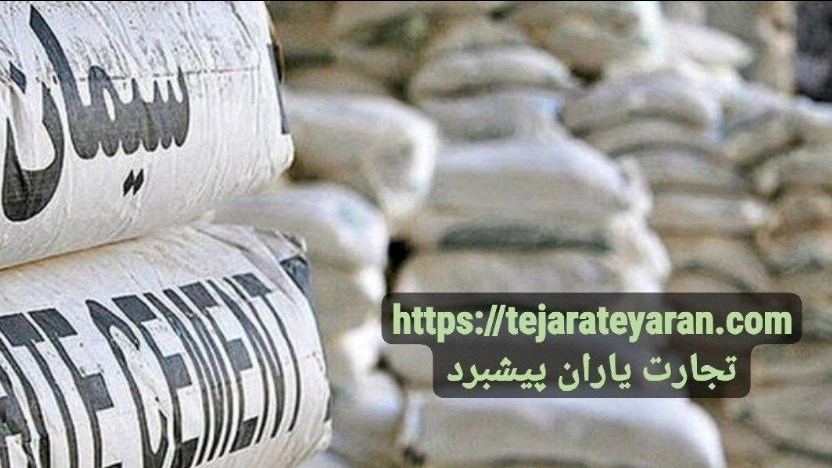
Cement is divided into two main categories: Portland cement and non-Portland cement. Ordinary Portland cement or type 1 cement is the simplest and most common type of cement. Modified Portland cements also form cement types 2 to 5. The main difference between different types of cement will be their quick setting or heat generation.
What is a cement type?
Cement is a powdered and soft compound that does not occur in the building. Cement is produced in different types. Different types of cement have their own characteristics. For example, regardless of the climate of a region, you cannot use any type of cement. Therefore, the best type of cement is the type of cement that suits the climate of a region. Types of cement are divided from type 1 to type 5. An important part of the difference between cement types is based on whether they are quick-setting or quick-hardening and the amount of heat they release during mixing. The main division of cement will be based on the type of raw materials in the form of Portland and non-Portland. The Portland cement production line and the equipment needed to produce all types of cement are completely the same. The main reason that causes the difference in types of cement is the type of raw materials and the temperature of the furnace during production. For the production of ordinary Portland cement, the furnace temperature will be around 1500 degrees.
Type 2 cement and its application
Type 2 cement is a modified type of Portland cement type. A smaller amount of clay is used in the production of type 2 cement. For this reason, this type of cement is more resistant to sulfate than type 1 cement. In fact, the reduction of clay reduces the volume of aluminum oxide in type 2 cement. As a result, this type of cement will be less reactive in the vicinity of sulfated materials. This issue will prevent the production of a substance called eternigite. Therefore, the amount of water absorption in concrete or cement is reduced and the possibility of cracking is minimized. One of the distinctive features of type 2 cement is less heat production during sealing. This feature is very important and makes it suitable for high volume concreting. In cases where it is necessary to produce strong cement parts such as electricity poles or cement blocks, type 2 cement will be the most suitable option. Type 2 cement is most widely used in hot climates.
Type 3 cement and its application
If you are looking for an early-hardening Portland cement with high initial strength, we recommend type 3 cement. In fact, this type of cement is similar to type I cement in terms of hardening. However, the rate of increase of initial strength of type 3 cement is much higher than that of type 1 cement. The measurements show that the three-day strength of type 3 cement will be comparable to the 7-day strength of type one. One of the important features of type 3 cement is its high heat-generating reactions. This makes it an early setting Portland cement. As a result, for concreting in cold regions, the best type of cement will be type 3 cement. Of course, with the condition that antifreeze is also used in its composition. Another point is that in the production of some materials or moldings that require high speed, type 3 Portland cement is the best option. But don't forget that type 3 cement should not be used for high volume concreting. Because the heating reactions make it expand and harden. As a result, immediately after cooling and shrinking, the possibility of cracking increases.
Type 4 cement and its application
Retardant cements are another type of cement needed in the construction industry. This type of cement (which we know as type four cement) hardens at a slower rate. The slowness of the hardening process of these types of cements increases their resistance. Therefore, type four cement is usually used for dam construction projects and construction of very large buildings. Type 4 Portland cement has weak thermal reactions.
Type 5 cement and its application
Type 5 cement is the most special type of Portland cement. This type of cement will be much less hot than type 1 cement. For this reason, it is usually used instead of type 4 cement. However, type 5 cement type has its own structural characteristics. These properties will keep it from being sulfated. Therefore, in projects where columns or building components may be affected by sulfate, type 5 cement will be the best option. Type 5 cement should be used for buildings that are built on sulfate soils. Also, the most important application of type 5 cement is in marine structures that require high strength. However, in any environment where there are corrosive or sulfated materials, type 5 cement should be used for construction or concreting. You may have this question, which type of cement is better? We need to remind you that choosing the type of cement depends on many factors. Some of the most important factors that should be considered when ordering or buying types of cement are:
▪️ climate and weather
▪️ type of project (dam construction, building or bridge construction, etc.) ...)
Therefore, one type of cement cannot be preferred over another. Of course, in special cases, we may need type 4 cement. In such a situation, it is usually preferable to use type 5 cement. But this issue is not the reason for the superiority of one over the other. In projects that require quick action or in molding processes and the like, it is better to use quick-setting cement types. Also, if you plan to build in cold areas, you should use quick-setting cement with antifreeze. Type 3 cement is the best used for such cases.
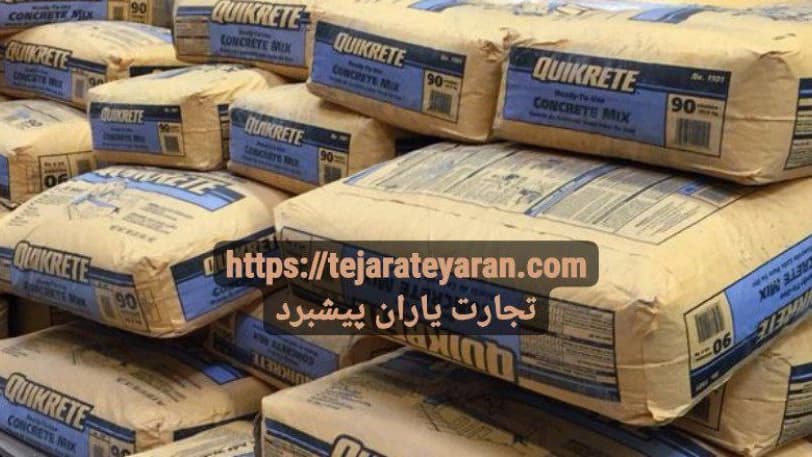
Among all the cement factories, the biggest cement factory in Iran is Abek Cement. Abik Cement Factory is located on Tehran-Qazvin highway and produces various types of Portland cement. The main buyers of Abike cement are in the provinces of Tehran, Alborz, Qazvin and the northern provinces of the country.
Also, the smallest cement factory in Iran was the Yasouj cement factory, which was closed in 2014.
The best cement factory in Iran can be Abike cement factories, Tehran cement, Fars and Khuzestan cement, Sepahan cement, Gharb cement. The largest cement exporter in the country, Gharb cement factory. is which is in the first place both in terms of sales in the country and exports abroad.